BY: DIGITAL WAX MEDIA STAFF
With over a decade of experience in talent relations, Dynamic Talent International has been changing the multimedia landscape over the past twelve years.
Fostering an emphasis on authenticity, originality, and creative integrity, DTI has made strides for artists throughout multiple styles and mediums, including some of the most significant names in the K-pop genre.
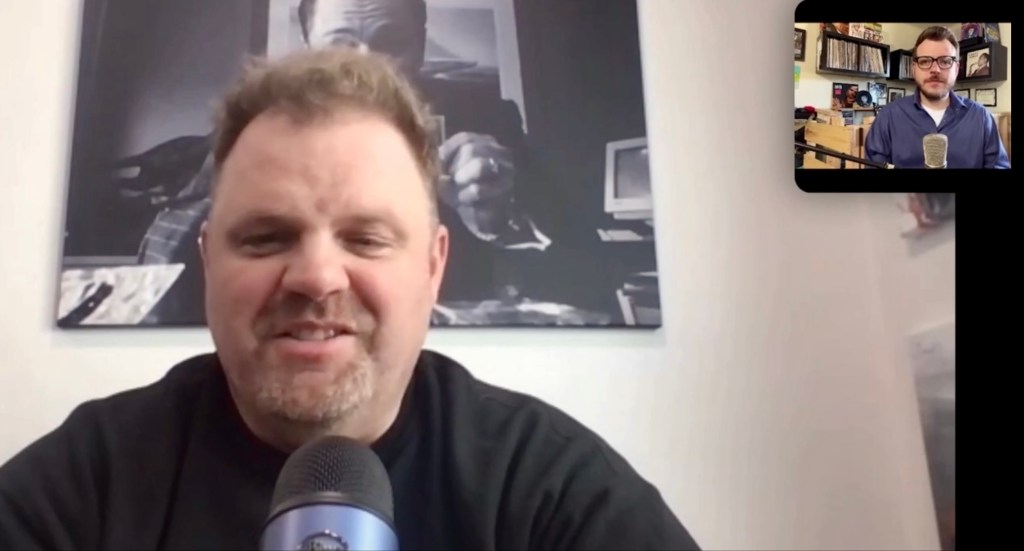
Dynamic Talent International CEO, Trevor Swenson took time recently to sit down with Digital Wax to discuss the agency’s recently launched Brand Partnerships and Sponsorships Division, the state of media and culture in the present day, and much more
For those unfamiliar, if you could talk a bit about Dynamic Talent International and what it is that you do; your values; your mission; just to give sort of a general idea.
Like you said, we’re a multi-faceted agency. We represent, on the music side of things, pretty much every kind of talent there is. From our K-Pop division, country, indie, rock, metal; It’s been really good that way with being able to diversify in those aspects of it. With our new expansions into different divisions we’ve got out Sponsorship and Branding division headed up by Mike Faul that’s making sure that our clients are being taken care of with sponsorship dollars or where we’re outsourcing our services to festivals and making sure that everybody is taken care of that way, and we we’re doing really nice job of that. We’ve also got our Tour Marketing division and just our Marketing division. They’re doing Meta, Google, YouTube, all that stuff to make sure that anything that wants to be branded and then marketed that way, we’re doing those things. We’ve got our VIP division as well. We do all of our VIP servicing in-house for all of our clients and then for clients that we don’t represent as well for the the booking side of things, which we offer at a substantial discount compared to the other VIP companies are doing, and we’re doing a great job with it. It’s been very successful.
The message of the agency is essentially, we’re not your everyday agency in that it’s just a corporate structure like the corporates that are out there. We work very, very fast and very, very precise with the things that we’re doing. All of our artists that are on our roster tour. We don’t pick up artists that just sit on a shelf, we make sure you’re always working. We make sure that everybody’s pitched for proper festivals. Obviously we want to make sure that we have multiple different divisions. We’re not just an agency, we want to make sure that the clients are making money off the road as well. We’re very reachable people, it’s very tough to not get a hold of us – including myself, who’s extremely busy all the time.
There’s a lot of value in that I would I would say – in today’s sort of social climate and technological climate – in eliminating those barriers between creators and the folks who are looking to get the art out there, to get the content out there. It’s my understanding that you guys are 12 years in – over the course of that time, what types of changes has a DTI had to navigate in terms of cultural shifts, advents of new technology, and just other external factors that impact the way you do business and the way people consume media?
The agency itself started as more of like a rock and metal focused agency. We’ve certainly expanded into all the genres and we’re having very big success in the K-Pop field. With the consumption of media and music and all that stuff, everything is so hyper-sensitive and hyper-focused these days that it’s tough to find those artists that are going to have hits or are going to stick to the wall for multi-album successes so you’ll be able to build those those client relationships and get those artists built. Longevity – it’s more trying to get the consumer to not only buy a ticket to a show, but to get them to love the music over countless records as opposed to one-hit-wonders, which is the biggest fad right now and in popular music.
It’s essentially relationship building almost between audience and artist.
Yeah, and helping to build that story through touring and through marketing. It’s a very time-classic story, but it’s a situation in which you have to be in everybody’s face at all times. The attention span is so different these days than it was even five years ago.
To that end, in the online world – particularly social media – it’s so slammed with art and content creators clamoring for attention for their work. With such an overwhelming amount of content being produced every day, it’s like there’s a real bottleneck effect almost that makes it increasingly difficult for things with real skill and creativity to find their audience or their platform to be heard. What might you say to folks attempting to navigate those sorts of challenges in just a sea of voices saying, ‘look at my thing’?
Honestly, that’s a pretty simple answer. It’s: don’t and fit in; don’t be a conformist. The reason that art is art is because if you have your own voice and you create your own demographic, people are paying attention to it. So, if you sound like everybody else’s stuff, they’re not going to pay attention to it, because you’re just white noise. So if you’re out there being original, being an artist – it’s the best way to do it.
To your point, a specific change I’ve picked up on over the last decade or so is a surge of relevance in short-form content, in part as the result of the success of apps like TikTok. The collective consumer attention span seems to be dwindling. ramping up this sort of urgency to like get an idea across as quickly as possible and um I feel like a lot of nuance and context gets sacrificed in that that sort of mad dash to be heard. uh what are your thoughts on the potential implications of these changes on various industries such as music and we’ve already seen a lot of that with TikTok impacting what is charting and like what’s being popular in a real big way. uh do you expect that trend to continue or to kind of change? Of course, these things are pretty impossible to predict.
That’s a big question; that’s a very big question. The answer I can give you to that is, so far we’ve not found a correlation between TikTok and ticket buyers. Because a TikTok fan will sit with their phone and they’ll engage with that person for 14-15 seconds. They may follow them and they may watch all their videos, but it doesn’t entice them necessarily to go out and to purchase their music or go to a concert and see them live. TikTok, again it’s very successful because a lot of people are making a lot of money off of it and their brands are engaging. Embracing the new technologies? Absolutely. You’ve got to build your brand; you’ve got to figure out ways to navigate and to get in people’s faces. But it’s been a tough situation where you take these TikTok [creators] or YouTubers that are overnight successes that all of a sudden blow up and they’ve got a couple million followers and they’ve got tens of millions of streams, but they might not draw 16 people at the show. So it’s a problem, it’s definitely something the industry is trying to adapt to right now and we’re trying to figure out how to correlate these things to make sure that people are buying.
We’ve heard about – as the result of these platforms gaining significant popularity – things like Instagram followers, TikTok followers, and view counts being taken into consideration for things like casting actors and signing folks to record deals – pretty much everyone seems to be trying to figure out how to navigate that right now and attempting to make sense of it all.
There’s some truth to that. I like how you touched on the actors and actresses being hired based on followers and things like that. That’s a recent story that’s in the news right now. You’re right, there’s not a lot of training. Plus with music and stuff like that, you can create an entire record in your bedroom. That’s cool, it’s great – that’s actually inspiring creativity. It’s just, I think, the business aspect of it and becoming a huge product with it, there’s a lot of behind-the-scenes stuff like r&d and development, it’s very key. People that have been doing this a long time, they know how to build that and they know how to a&r these artists and these actors and actresses. Like you said, there needs to be coaching, there needs to be stuff to build these artists. But the creativity needs to be there too. The artist needs to be able to do their own creativity.
For sure, that should always be key. I have mixed feelings about a lot of these new technologies. Because on the one hand it’s great that pretty much anyone can get their stuff heard and just be able to record in their bedroom and attain pretty high quality results. But the other side of that is folks who aren’t invested entering the fray, which can clog up the collective attention span. It becomes difficult to discern what’s worth your time anymore and attention is kind of the most valuable currency there is right now.
That’s why it’s touch to put out an entire album these days. I think another one is going to be AI – that’s going to be another impactful thing in the industry. You c0uld have an entire AI artist out there that is nothing, it’s a computer. They could be selling millions of records and you’re buying a computer’s records. It’s going to be an interesting time, that’s for sure.
[Dynamic Talent International] has roots in the rock and metal scenes and you’ve done a lot of great work with K-Pop artists as of late. Can folks expect you guys to expand even further and to embrace additional genres and artists of various backgrounds and types of music? Or are you essentially keeping it focused on where the focus is at, as it were?
We really want to expand our country division, because I think country music and country pop is a great genre and we’ve got some really great artists already on the roster. We really want to expand on that. Even jazz – jazz is starting to make a comeback, which is a crazy thing. But it’s starting to come back because the artistry of musicianship is starting to become popularized again, which is great. The rock and metal space, we’d love to continue to expand upon that, but it’s slightly going through a little bit of a recession right now. You know, it’s a lot of white noise. We need to find some cool, new artists that are going to break through in that genre, which I’m excited to find. I think that the next gold rush in the world is probably going to be the Japanese market, which we’re really heavily already invested in. We’re really excited about doing more work with them. We want to build all genres, but we want to make sure we do it smartly with artists that can continue to grow.
There’s a certain resiliency to rock. I feel like people have been saying “rock is dead” since the 1990s, but I don’t know that it can truly be killed. But there’s a little dip going on for sure.
I truly hope that we find some cool and interesting things, and I know a lot of people are trying to cross over in the genre. I love rock and metal, I think it’s one of the greater genres out there because it really does inspire creativity. But we need people to really break through the mold right now.
That’s another thing with the sort of democratization of everything with the Internet – genres as a singular thing are almost dissipating. Everything is sort of blending together. There are pop elements in just about everything. you’ve got people rapping on country records. I think that’s a good thing. It can be a bad thing, it depends on the creativity and what’s at the center of it. But as far as genres a singular things, I feel like a lot of it is just melding together, especially with the younger folks with just open access to the Internet and exposure to everything – and that can be a really good thing.
I agree. The more exposure the better, of course.
You mentioned he new Brand Partnerships and Sponsorships Division that was just rolled out, led by Mike Faul who has been involved with some of the biggest current brands, both internationally and nationally. Could you touch a bit on what that division is about and what they’ll be seeking to accomplish with Dynamic Talent?
We’re very excited about launching the division, and of course the growth of our other divisions. With [the Brand and Sponsorships Division] we just want to be able to offer our clients more revenue services, and plus we really want to help these brands that might not be able to be tapped into the music industry – or even film and TV. One of the biggest brands in the world approach us and now it sounds like we’re going to do a multi-artist deal with them for our clients, and they really want to tap into music. Music right now is a big space that a lot of companies haven’t really embraced and we kind of want to show them a different way of doing that. Plus, we work in a very tight genre that not a lot of other companies work in – in the K-Pop space – where they can sponsor tours or they can sponsor artists and then their brands can increase their revenues and their visibility with these artists we work with, and everybody benefits. The team over there is really focused on making sure that it’s the right brands, the right fit, and the right marketing campaigns that go around these things so that everybody benefits. So that’s really what the focus is. It’s not just a cash-grab that a lot of other companies may do. We really want everybody to have synergy and be happy the situation they’re in.
It’s really admirable what you all seem to be trying to do in bringing a focus to the human at the center of the creativity and bridging the gap between the market and the creator. I think that’s been long needed and those divides seem to be getting more substantial over time when it should be going the other way. So it’s really neat to see a group working toward the greater good in that way.
I appreciate that! We’re very excited and I think that we’re going have some great relationships built between that.
As far as Dynamic Talent [International], is there anything currently in the pipeline that folks should be excited about that you can talk about?
We have new offices that we are opening in Nashville, which we’ve got some nice press coming out about here in a few weeks where we’re going to announce that. We’ve got the expansion of the actual company – we’ve got a lot of new staff that are coming on that’s going to be able to better service our clients and bring on even more clients, so we’re excited about that. We sold out the [Kia] Forum yet again over the weekend out in L.A. I don’t know how many times we’ve sold that place out in the past year, and it’s nice to have sold out tours across the globe since now we’re doing international business. We’ve got some great. We’ll be at SXSW. I know I’m doing some speaking engagements. It sounds like we’re going to be talking more about the company and more about what we can do to help any artists in development and the other divisions as well. It has been really fun.
It seems like it’s almost a Steve Jobs approach of, don’t necessarily get hung up on doing it better but focus on doing it differently – and standing out and taking the unbeaten path. that’s really cool.
Agreed. It’s nice to be a jack-of-all-trades, but it’s also nice to be different when you do those trades to where the client really does come first. I truly believe that any client that is with us and our management teams and labels will say the same thing, that we really do print ourselves on the fact that the job is done done correctly, we do our paper correctly, all our artists are getting paid here. The artists are growing with us, the staff members that come out with us are always growing; it’s a nice thing.
I think that is all we have. Is there anything else you’d like folks to know?
I’m very excited about the direction that my company is going in and excited for everybody joining with us, we are happy to have them.
Connect with Digital Wax on Facebook, X, Instagram, Threads, and Bluesky.


 Digital Wax