
BY: DIGITAL WAX MEDIA STAFF
In 1976, singer-songwriter Bob Seger and his five-piecing backing unit, the Silver Bullet Band made a definitive statement with the release of Live Bullet.
Cut live at Detroit’s Cabo Hall in the fall of the previous year, the album cemented Seger and his quintet as a legitimate force in the rock scene. Bolstered by the band’s fiery energy and the gritty and passionate soul of Seger’s vocal attack, Live Bullet established the outfit as one which could throw down with the best of them.
All the characterizations to emerge of Bob and crew as bonafide rockers were based in fact. But some listeners fail to grasp even today that the ensemble had also honed an altogether different skill set which would grant the kind of musical control that doesn’t come from strained vocals and blistering leads.
Seger was still primarily experiencing just regional success during this stage. It would be the release of Night Moves later in 1976 that would make Seger a national name, landing him a number 4 hit on the Billboard Top Singles Chart. The album would serve as the introduction of many to Bob Seger the writer. As a songwriter, Seger has been inclined to disguise gems of wisdom in seemingly throwaway lines that can take a while to sink in. It’s the kind of sage knowledge your grandpa might drop on you but the gravity of which you may not fully comprehend until some years later. Something as seemingly simple as the title track would border on transcendent, resonating for decades and across generations.
Tracks like this and “Mainstreet” would begin to reveals the dynamic facility of Seger and his band. It should be noted, however, that this album was one to feature the playing of the iconic Muscle Shoals Rhythm Section on a number of songs in lieu of Silver Bullet Band members, who apparently were not available for all recording dates.
“Night Moves” opens with just acoustic guitar and expands throughout with the introduction of additional instrumentation. Just prior to the three-minute-mark, the band drops out almost entirely. The drums are absent for a full minute, which is completely unheard of. But Seger takes his time, delivering the final verse almost as a monologue. Enter that same lone acoustic guitar, which makes way for the rest of the band to re-enter and bring the whole thing home.
It’s a beautiful exercise in instrumental dynamics and one that has been throwing bar bands for a loop for decades. It’s also a loose format by which Seger and the SBB would be informed for years to come as they went on to craft what, at the time, was very modern, contemporary rock and roll.
Seger was, in many ways, an amalgam of his influences. From the foundational swagger of Chuck Berry and Little Richard to emotional soul of Otis Redding and James Brown, each of Seger’s inspirations lent something to his craft. It would never define his sound though. A touch of Motown here, a dash of rock and roll there, a little heartland feel for flavor; but the resulting brew was something unique to Bob’s own work.
One of the songwriter’s most famous songs, “Turn the Page,” would serve as yet another example of his defying convention. Initially released as a studio recording in the early ‘70s, the defining version of the song would come years later as part of the Live Bullet album.
The brooding live take on the road anthem would animate the structure of the comparatively stiff studio recording. Featuring the mellotron prominently and boasting on of the most recognizable saxophone lines in rock and roll, “Turn the Page” remains an outlier in the AOR radio landscape even today.
This another slow burn of a tune that finds Bob and the gang expertly navigating sonic dynamics for maximum emotional impact. Driven primarily by low, rumbling instrumentation and Seger’s own mournful vocal, the tune doesn’t even bring the drums in in earnest until the second chorus.
It’s a somber affair – almost menacing in its patience. Once things start to pick up; the band pulls a characteristic bait and switch, dropping out again for another verse al-la night moves – but coming back in more abruptly and with more purpose. All hands are on deck for the last chorus, the only time it feels like Bob is really letting loose throughout the tune. Suddenly, the ensemble falls away just as quickly as they’d appeared, leaving the audible audience with just that same lonesome sax line and some cymbal swells for effect before the song up and vanishes like a ghost in the night.
“Still the Same” is another one remembered as a successful hit for the group despite being a little off-center musically. It’s one of many examples of a real emphasis on the piano as a sonic foundation throughout Bob’s catalogue.
This tune is classic Seger, spinning the characteristic emotional arc with romance, nostalgia, and unresolved feelings pertaining to someone from the past. Also characteristically, the song takes its time letting listeners in on even the first sonic payoff. Chorus one is secured behind walls of verses. Thematically Bob moves a little into his more country storytelling vein, tying together the narrative and concept with some well placed allusions to gambling. Seger had a way of convincingly marrying sentimentality to an underlying notion of hard-living in a way that was respectably attempted by the Eagles and perhaps perfect by Robert Hunter and the Grateful Dead.
One of Seger’s most famous “slow-burn” numbers would come as a late-career success. Written by Bob himself, “Like a Rock” would anchor the studio album of the same name, eventually finding widespread recognition as part of a popular Chevrolet advertisement that would run for over a decade.
The track itself, in typical Seger fashion, finds the singer reminiscing on a life gone by too fast. Lyrically, “Like a Rock” explores themes of perseverance and courage in the face of adversity. The band is patient here (are you sensing a theme?) keeping things light essentially up to the song’s middle-eight, which itself emerges into the big emotional payoff – the guitar solo.
Now, the guitar solo for “Like a Rock” is just about as perfect a solo as anyone could ask for assuming they’re looking for something tasteful that serves the song. Played with slide by Rick Vito, the passage makes every note count – no extraneous jittering and noise, just a musically precise and applicable expression of emotion that drives the song to where it needs to go structurally and contextually.
For all their merits and accolades as an ensemble effectively moving the rock and roll of the 1950s into more modern contextual territory, Bob Seger and the Silver Bullet Band have warranted just as much recognition for their exceptional musical control and use of dynamic pacing.
Having the awareness to lay back when appropriate places the group head and shoulders above many other such ensembles. And when you’ve got a catalogue of songs like those penned by Mr. Seger, there really isn’t much else you need.
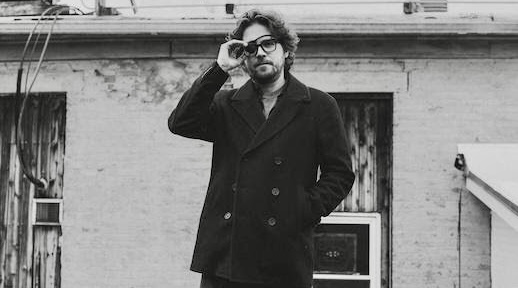
Photo: Bob Seger and the Silver Bullet Band by American Talent International – Public Domain
Connect with Digital Wax on Facebook, X, Instagram, Threads, and Bluesky



 Digital Wax